

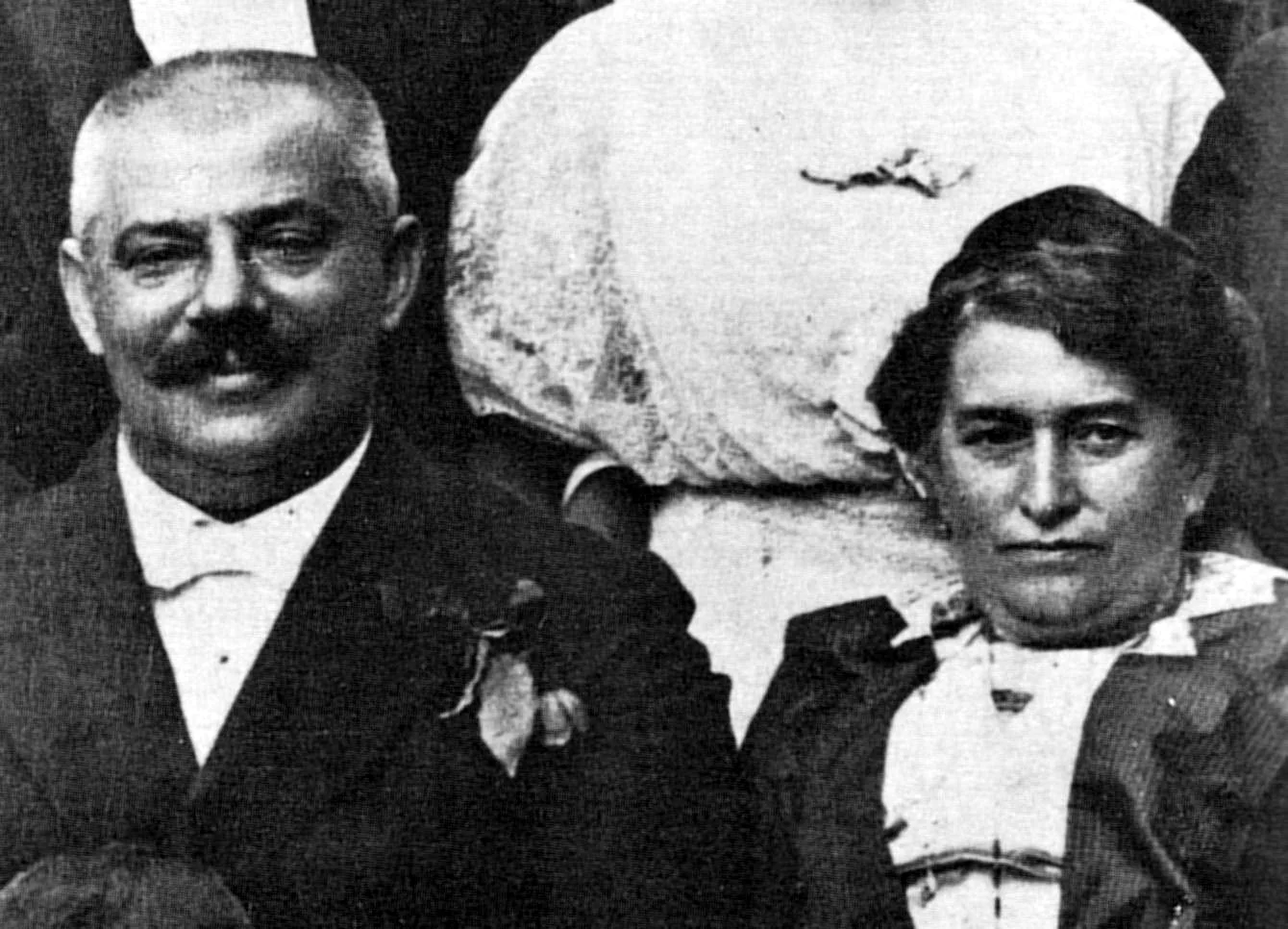
Born on 3 July 1883 near the Old Town Square in Prague, the eldest of six children of Hermann and Julie Kafka, German-speaking and Jewish. His two brothers died in infancy; his three sisters were murdered in the Holocaust.
Franz Kafka, Brief an den Vater, November 1919. Never delivered.
Franz Kafka began Die Verwandlung in Prague on 17 November 1912 and finished it in the first week of December. Every surface of this site is set in his words.
IDer Morgen · The morning
»Was ist mit mir geschehen?« dachte er. Es war kein Traum.
“What has happened to me?” he thought. It was no dream.
IDas Zimmer · The room
Sein Zimmer, ein richtiges, nur etwas zu kleines Menschenzimmer, lag ruhig zwischen den vier wohlbekannten Wänden.
His room, a proper human room, if a little too small, lay quiet between its four familiar walls.
IIDie Decke · The ceiling
Besonders oben an der Decke hing er gern; man atmete freier.
Above all he liked hanging up on the ceiling; one breathed more freely.
IDie Tür · The door
»Gregor,« rief es – es war die Mutter –, »es ist dreiviertel sieben. Wolltest du nicht wegfahren?«
“Gregor,” someone called – it was his mother – “it’s a quarter to seven. Didn’t you mean to go away?”
IIIDie Violine · The violin
War er ein Tier, da ihn Musik so ergriff?
Was he an animal, that music moved him so?
Kafka never says what Grete played. The strings here are her sentence.
IIDer Apfel · The apple
Ein ihm sofort nachfliegender drang dagegen förmlich in Gregors Rücken ein.
One that flew right after it, though, actually forced its way into Gregor’s back.
IIIDer Staub · The dust
Seine Meinung darüber, daß er verschwinden müsse, war womöglich noch entschiedener als die seiner Schwester.
His own conviction that he must disappear was, if anything, even firmer than his sister’s.
IIIEnde März · The end of March
Den Anfang des allgemeinen Hellerwerdens draußen vor dem Fenster erlebte er noch.
He was still there to see the first of the general brightening outside the window.
Exe.Eyes Labs · a world built from its own text
25.10.1915Kafka to Kurt Wolff Verlag
»Das Insekt selbst kann nicht gezeichnet werden. Es kann aber nicht einmal von der Ferne aus gezeigt werden.«
“The insect itself cannot be drawn. It cannot even be shown from a distance.”
So you will not see him here. You are him.
One morning, as Gregor Samsa woke from unsettled dreams, he found himself transformed in his bed into a monstrous vermin.
Prag
gigantic insect
Willa and Edwin Muir, 1933
10Franz Kafka, 1883–1924
Born on 3 July 1883 near the Old Town Square in Prague, the eldest of six children of Hermann and Julie Kafka, German-speaking and Jewish. His two brothers died in infancy; his three sisters were murdered in the Holocaust.
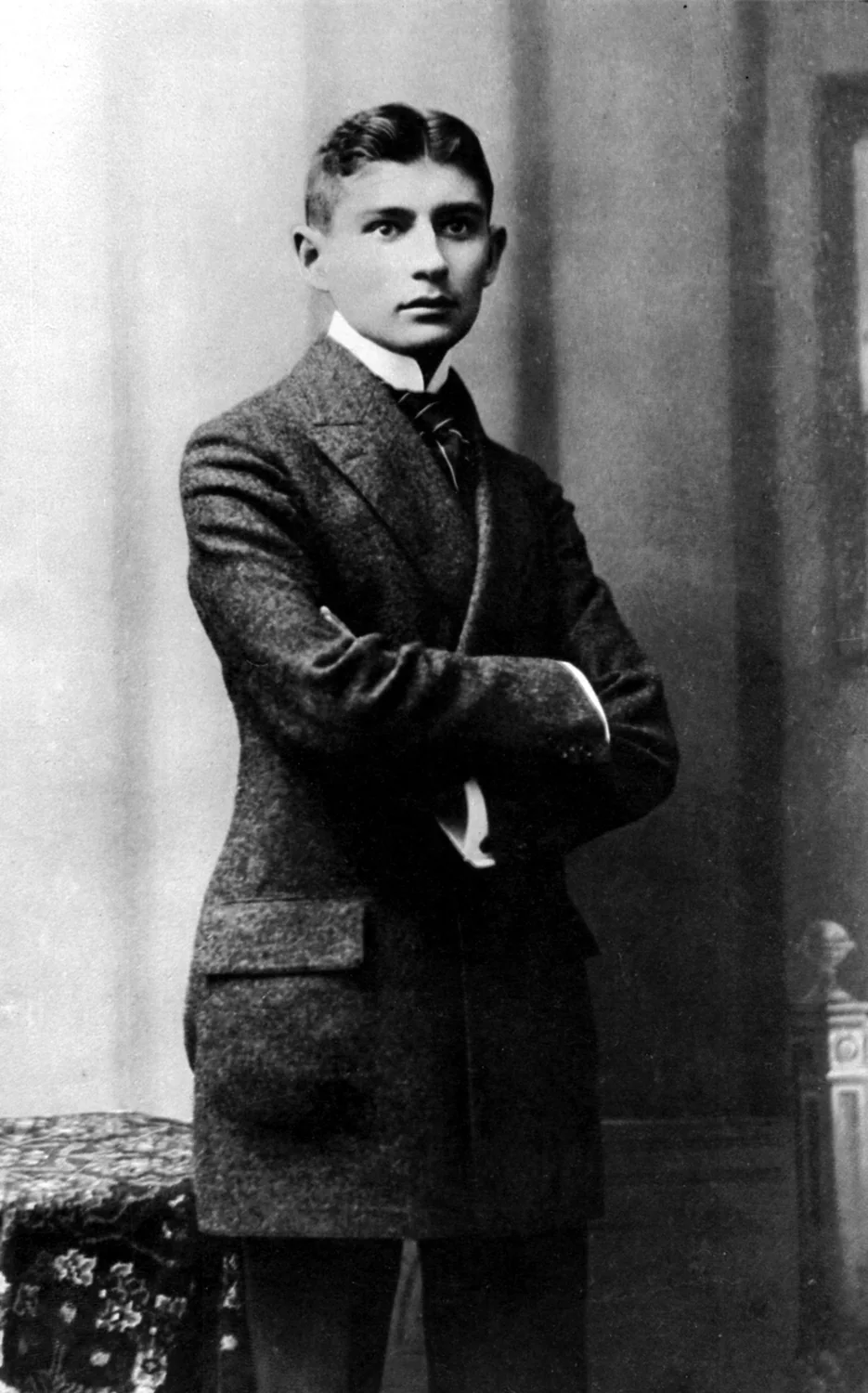
Doctor of Law on 18 June 1906. Law, not literature, because it pleased his father and promised a career.
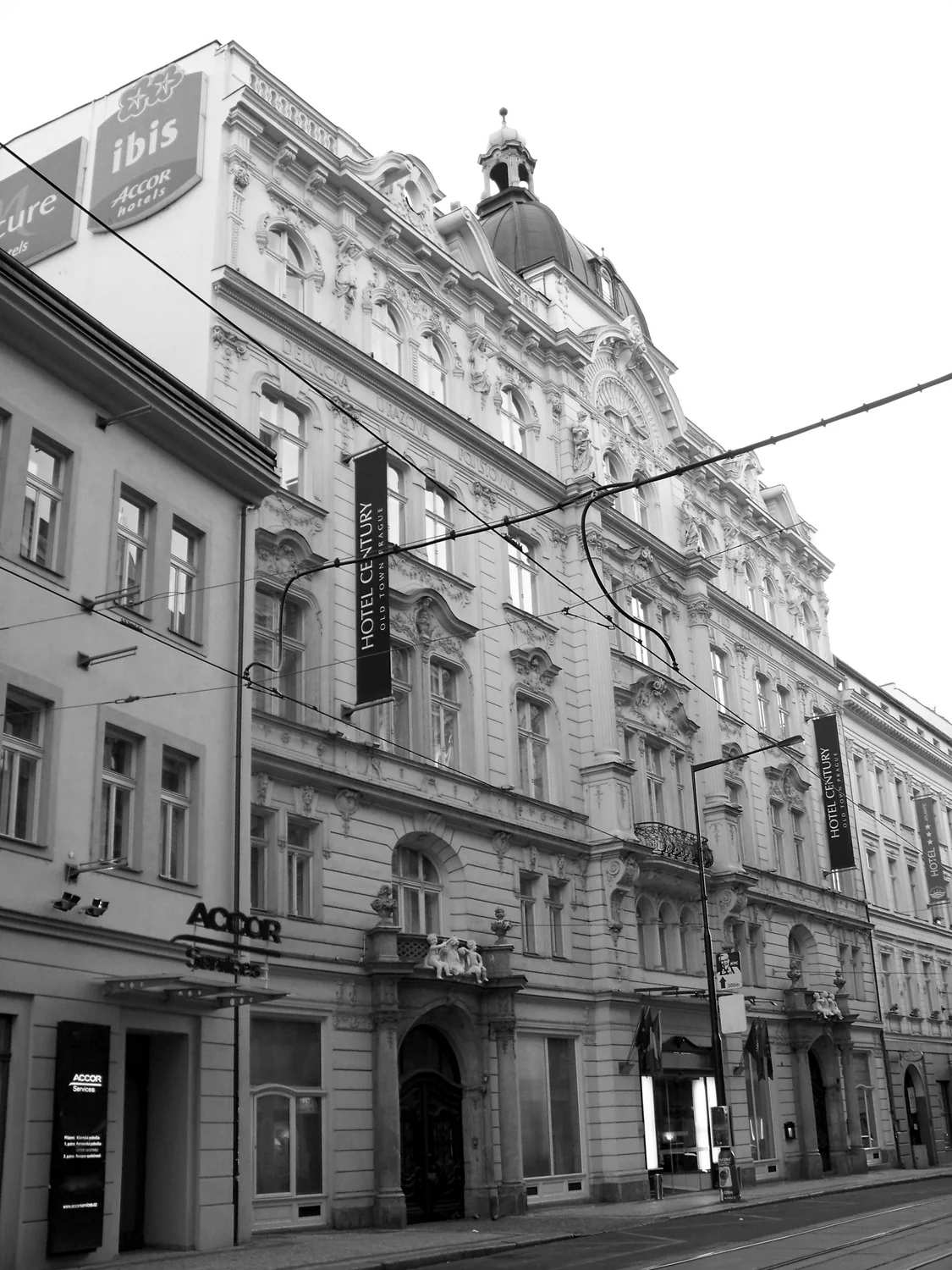
From 1908 at the Workers’ Accident Insurance Institute for the Kingdom of Bohemia: assessing injuries from lathes and saws, writing its annual reports. His day ended at two in the afternoon; the writing happened after.
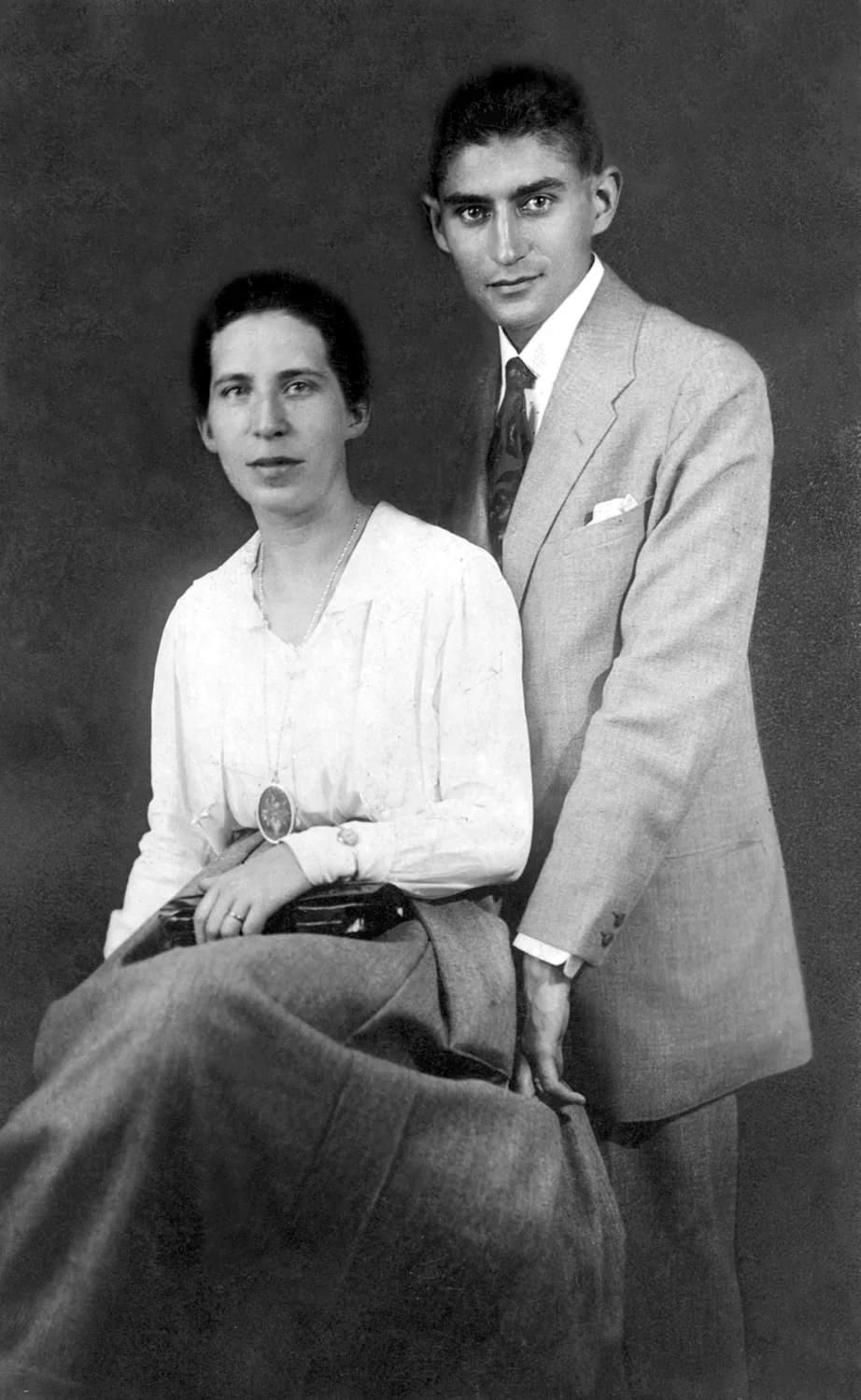
On 13 August 1912 he met Felice Bauer at the Brods’. On the night of 22 September he wrote Das Urteil in one sitting. On 17 November he began Die Verwandlung.
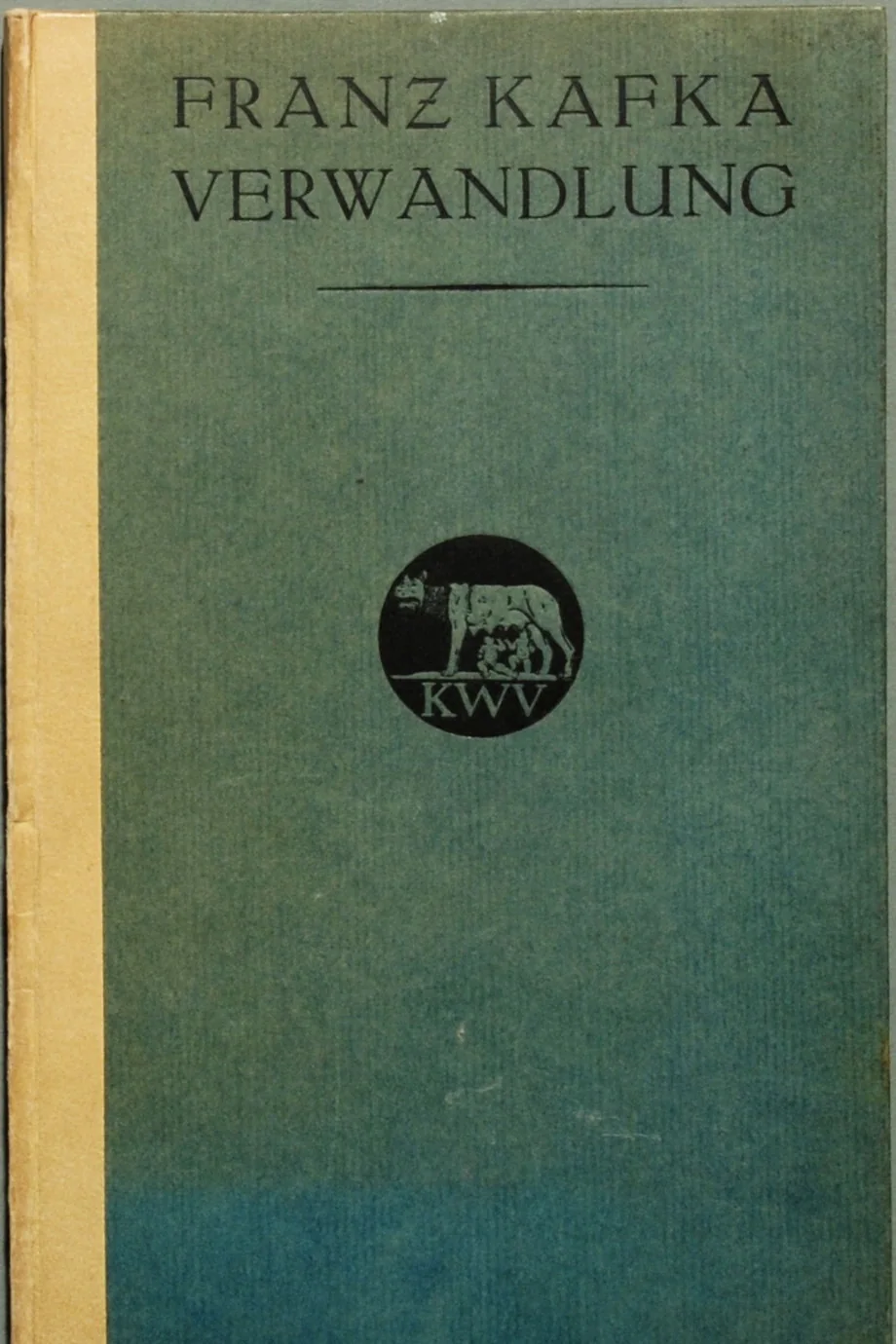
In October 1915 it appeared in Die weißen Blätter, in December as a book in Kurt Wolff’s series Der Jüngste Tag. On 25 October he wrote to the publisher: the insect itself was not to be drawn.
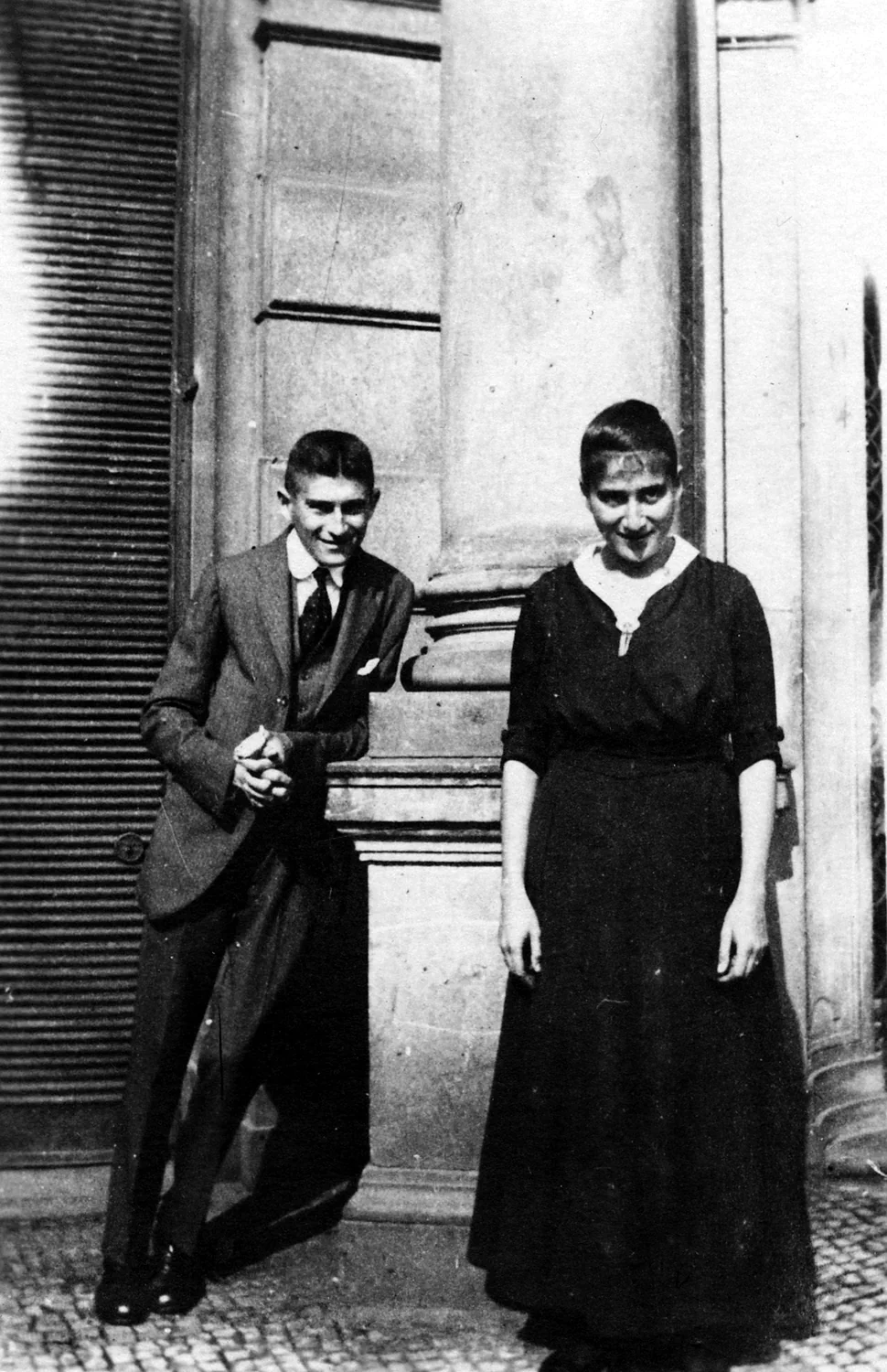
Tuberculosis was diagnosed in August 1917. He spent months with his sister Ottla on a farm in Zürau and later called it perhaps the best time of his life.
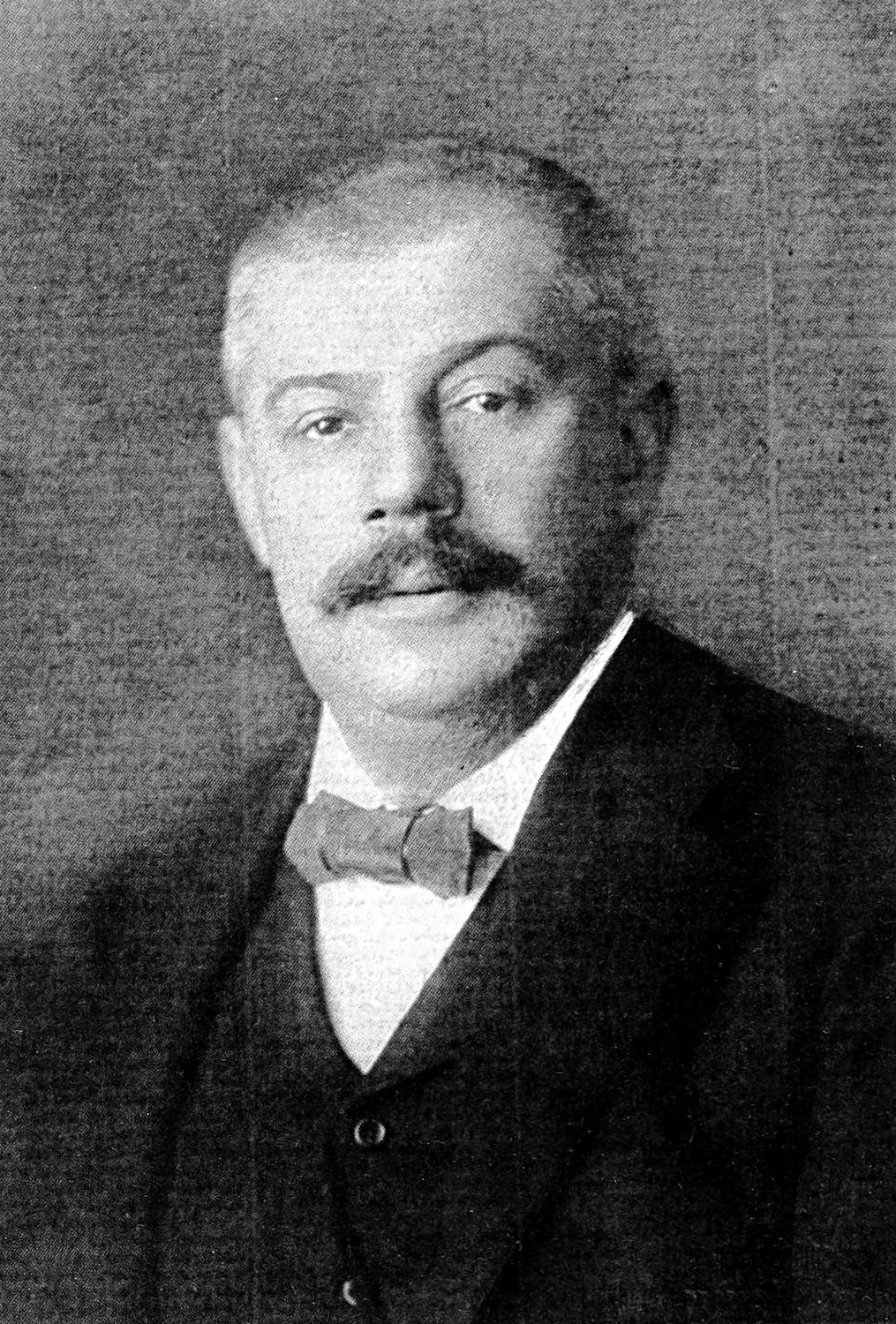
In November 1919 he wrote the Brief an den Vater. According to Max Brod, he gave it to his mother to deliver, and she never did.
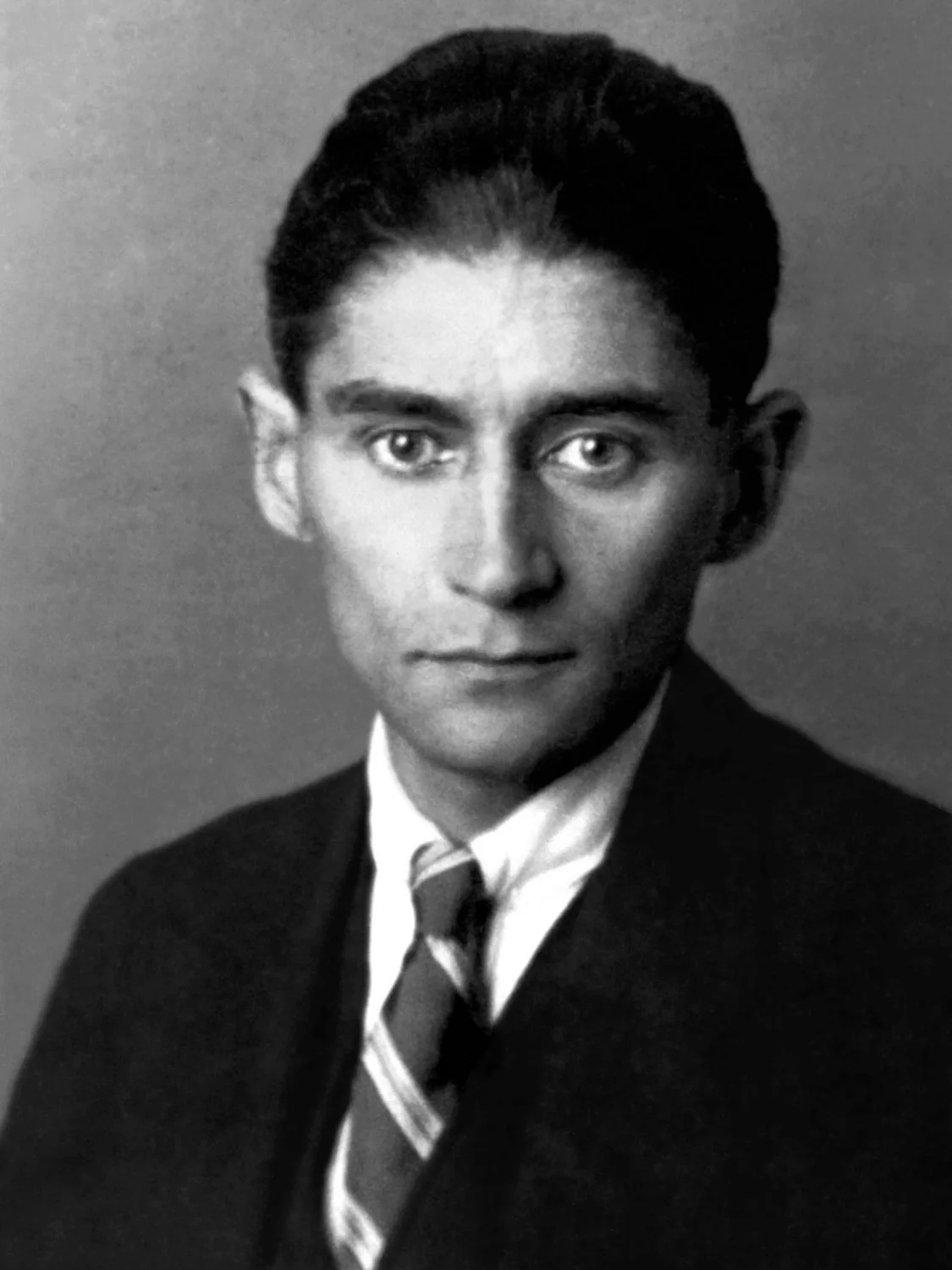
He died on 3 June 1924 in a sanatorium at Kierling near Vienna, aged forty, of tuberculosis of the larynx. By then eating had become too painful.
11Die Handschriften · The manuscripts
»Liebster Max, meine letzte Bitte: Alles, was sich in meinem Nachlass … an Tagebüchern, Manuskripten, Briefen, fremden und eignen, Gezeichnetem und so weiter findet, restlos und ungelesen zu verbrennen.«
“Dearest Max, my last request: everything I leave behind … diaries, manuscripts, letters, others’ and my own, drawings and so on, to be burned, all of it, unread.”
»Von allem, was ich geschrieben habe, gelten nur die Bücher: Urteil, Heizer, Verwandlung, Strafkolonie, Landarzt und die Erzählung: Hungerkünstler.«
In the second note, six things were allowed to stand. Die Verwandlung was one of them.
Max Brod refused.
12Lesarten · Readings
A century of readers. Each reading follows a word: the bar shows every place it falls in the German text, counted here, in your browser.
13Übersetzungen · Translations
Als Gregor Samsa eines Morgens aus unruhigen Träumen erwachte, fand er sich in seinem Bett zu einem ungeheueren Ungeziefer verwandelt.
At least sixteen renderings of two German words, collected on Wikipedia’s page for The Metamorphosis. Ungeheuer is the opposite of geheuer, familiar; Ungeziefer once meant an unclean animal unfit for sacrifice. Kafka never named the species.
14Ihr Buch · Your book, as a world
Everything you have walked through is typeset, live, from the text: walls, furniture, voices, apples. Give it any passage and it builds a room from it, in your browser, in milliseconds. For publishers, estates, audiobook and festival teams: your book, as a world.
15Eine Zeile · One line
A room, a family, a century of readers. One line of text.
Exe.Eyes Labs
Kafka would not let his insect be drawn, so we built the world around it out of his own words. For publishers, estates, audiobook brands, bookshops and festivals: your book, as a world, made from its text.
Start a project16What this Lab explores
A world made only of a book’s own text. Every wall, floor, door and piece of furniture in Gregor Samsa’s room is typeset, in the visitor’s browser, from Kafka’s German: over a million glyphs drawn on the GPU as instanced quads from a signed-distance-field atlas of Newsreader. Surfaces are “slabs” whose frames and states live in a float texture, so a wall can fold, a chest dissolve or a string vibrate by changing a few numbers, never a million vertices. Each thing is set from the passage where Kafka writes about it. Small type averages to a printed grey instead of shimmering; the room is split into tiles the renderer culls. The insect is never shown: the camera is his eyes.
Texts & credits
A concept by Exe.Eyes Labs · 2026
Not affiliated with any publisher or the Kafka estate.